Using medical cannabis to treat chronic pain
While cannabis has been used to treat chronic pain for almost two millennia, the record does not show that this was used as long ago as some claim
420 Clinic >
Understanding Cannabis >
Medical
Adrien Hingert • 27 Sep 2026
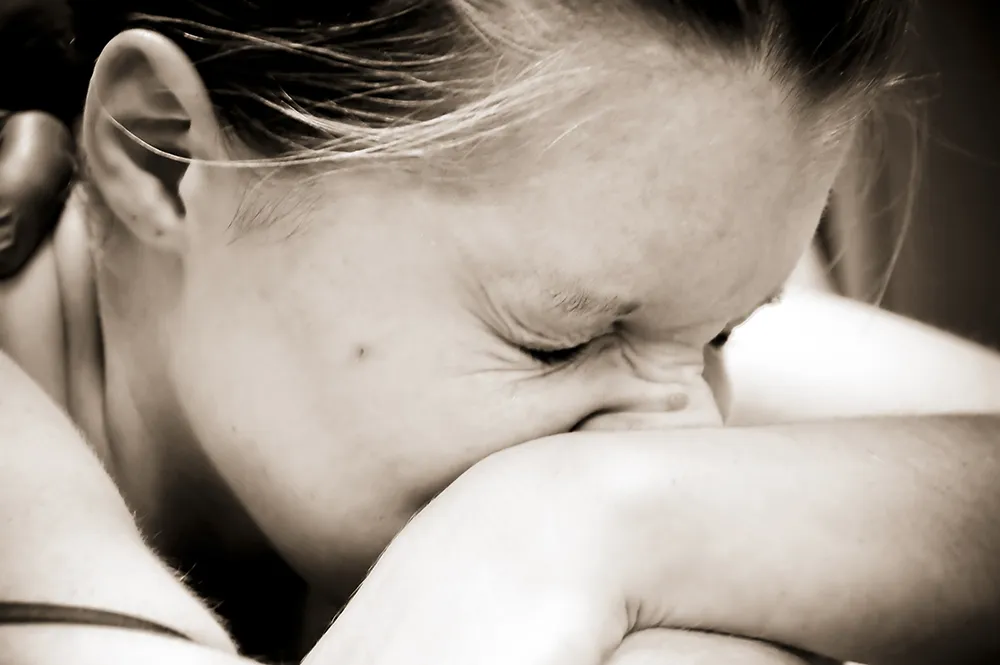
Britt-knee CC BY-ND 2.0
Countless sources claim that our ancestors from all over the world have been using cannabis medicinally to treat chronic pain for thousands of years, but the reality is that our understanding of the applications of this plant is much more recent.
The oldest record is usually attributed to the
Shennong Ben Cao Jing, a Chinese medical text compiled in the 1st and 2nd centuries AD from an oral tradition going back a further alleged 3,000 years. The truth is that the oral tradition cannot be credibly pushed back so far (definitely a couple of centuries, but not thousands of years) and that the text makes no mention of cannabis for the treatment of pain. Studies have shown that the first reference to cannabis for pain is in the
Ming Yi Bie Lu (Additional Records of Famous Physicians), a sixth-century AD commentary traditionally incorporated with the original
Shennong Ben Cao Jing.
Modern medical literature records a small, but real impact of cannabis on pain relief, especially neuropathic pain
In the West the evidence is even thinner. Its absence from the
Hippocratic corpus reflects the Greek ignorance of the plant and its first mention of medical use in the first century AD, in Dioscorides (c. AD 65) who indicates that soaking green seeds in warm water or wine and dripping the liquid into the ear for ear was an effective treatment against pain and inflammation.
The
United Nations indicates that dry flowers contain about 10-12% THC by weight, leaves 1-2%, stalks 0.1-0.3% and that there is no THC in the seeds. It’s however likely that our ancestors were not fussy about distinguishing between the seed which contains no THC and the bracteole which is the plant part with the highest density of trichomes and therefore the highest THC concentration. This would not only validate Dioscorides’ treatment, but also countless other remedies from all over the world which relied on seeds.
William Brooke O’Shaughnessy, the father of the modern use of medical cannabis, was also light when it came to treating chronic pain. Then again his stated aim was to gather a few strong facts, establish the dose limits which could not be safely exceeded, and hand the question to professional researchers. His methods fell thus short of modern standards - no controls, no double blind experiments, no placebo, tiny numbers, and outcomes judged by the treating physician who expected to see the result -, but his experiments on rheumatism suggest cannabis as an effective therapy for treating chronic pain.
Modern medical literature records a small, but real impact of cannabis on pain relief, especially neuropathic pain. Patients instead self-report a much bigger effect. A
2013 study found that THC reduced the unpleasantness of pain rather than reducing its intensity. It thus appears that THC decouples the sensory effect from the actual effect of pain rather than blocking the involved neuroreceptors.
This is important because almost all modern medical trials use a 0 to 10 intensity scale as the primary approach to measure THC’s impact. However, if cannabis changes how much the pain bothers you, an intensity scale is measuring the wrong thing. That is one plausible reconciliation of small trial effects with strong patient reports, although at this time it’s a hypothesis rather than an accepted explanation.
Related articles
•
The medical and recreational cannabis situation in Germany
•
The physiology of high
•
A short medical cannabis glossary