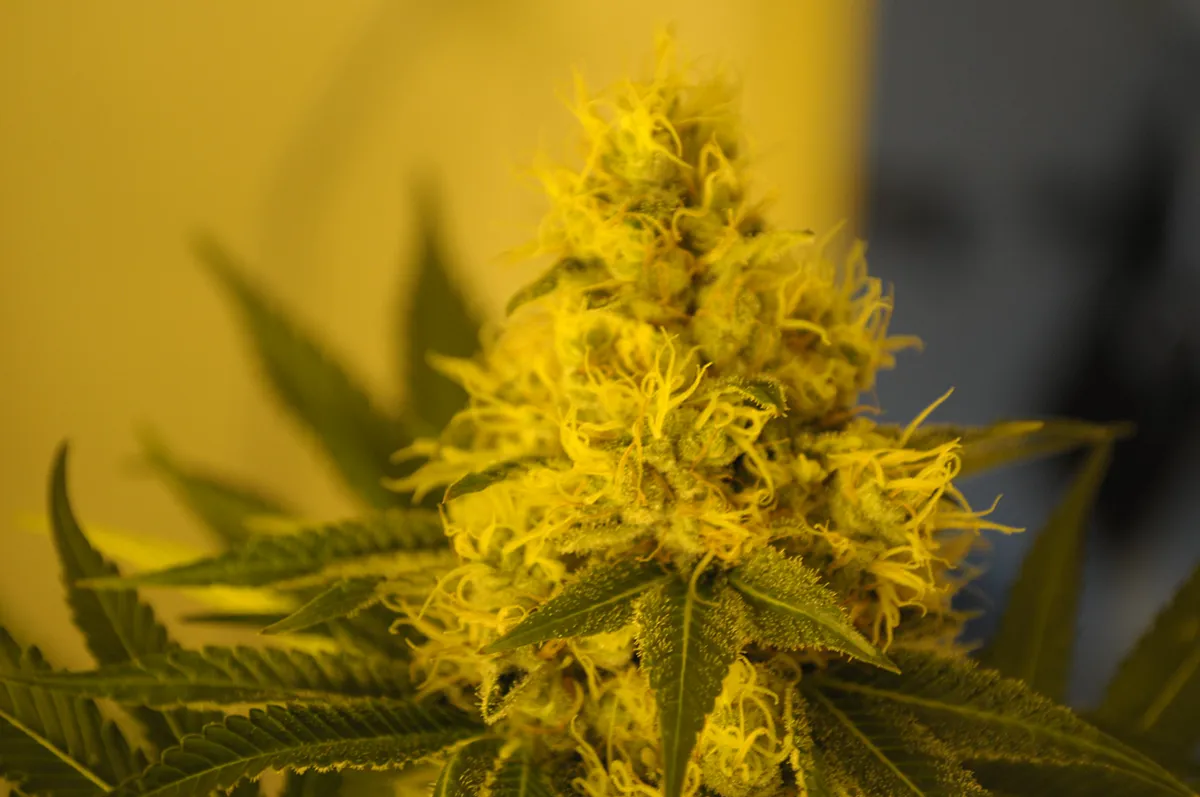
As cannabis ages, its THC, CBD and terpenes contents decrease, and consequently so does its therapeutic value. As important as this is, in the end this is why the therapy was prescribed, there is an even bigger concern: molds. Fungal spores are extremely resistant and can survive in dry flowers and even be carried in the lungs with smoke.
The three main factors affecting how long cannabis can be stored for are light, temperature and humidity.
Light
Light is the biggest single threat for THC levels in cannabis: both visible and ultraviolet light contribute to chemical degradation. A 2019 study found exposure to light (not direct sunlight) was the greatest single factor for loss of cannabinoids, especially in solutions. Storage should hence make use of amber or opaque containers, or a clear container inside a completely dark cupboard.
carefully prepared cannabis flowers, resin and extracts could remain reasonably stable for 1–2 years when protected from light and stored even at room temperature
Temperature
Even with dry flowers, temperature plays an important role in the long term preservation of cannabis. A 2020 study compared 25°C, 4°C, −30°C and −80°C. Of these, 25°C caused the greatest changes in cannabinoid concentrations, while 4°C best preserved the overall chemical profile. A fridge is ideal, but let the cannabis warm up to room temperature before opening the container if you do so: a cold glass bottle opened in a warm room can collect condensation and help the growth of mold.
Humidity
Humidity is the key factor in limiting the spread and growth of mold. While a low humidity is preferable (around 60% relative humidity), very dry flowers become brittle, potentially damaging trichomes, the glandular structures containing many cannabinoids and terpenes. As a rule, do not add moisture like damp sponges or fruit peels.
Mold
Besides THC and CBD content, molds are another important concern. In healthy people, mucus clearance and other immune defenses normally remove or destroy inhaled fungal spores. However, in people with weakened immune systems, the spores can invade the lungs and develop into proper filament infestations. This can lead to allergies, chronic irritation with persistent coughing which, over time, can damage the bronchi. In severe cases the spores may grow in the lungs causing bleeding, blood clots and areas of dead tissue (necrosis).
Spores can be inhaled when handling the flowers, when grinding them and even while smoking a cannabis cigarette as the smoke from the burning tip may carry the spores from the entire length of the unburnt cigarette as the smoke is not hot enough to kill the spores.
While the risk of serious infection is reasonably low in healthy people, this is substantially greater in people receiving chemotherapy, organ-transplant recipients, people with severe immunosuppression and certain patients with underlying lung conditions.
Marketeering Group CC BY 2.0Conclusion
Conserve dry cannabis flowers in an opaque, glass airtight container or a container provided by the pharmacy (glass is chemically resistant and does not readily absorb aromatic compounds), and keep it away from bathrooms, kitchens and windowsills. Store cannabis in a cool dark place: a dark cupboard will do for short periods or in cool countries, but consider a fridge in warm climates. Finally, grind the flowers only as they’re being used, and conserve these in small containers to minimize the contact with air and to avoid opening the containers as little as possible.
There is no universal shelf life as this depends on the product, initial moisture, packaging and storage conditions, so use the expiry date supplied by the pharmacy or manufacturer. A 1976 study concluded that carefully prepared cannabis flowers, resin and extracts could remain reasonably stable for 1–2 years when protected from light and stored even at room temperature. It has been further demonstrated that significant chemical changes can occur within one year, with different compounds deteriorating at different rates, and that almost all THC degrades after four years.
Deine Daten bleiben privat. Wir verwenden Cookies, um dein Erlebnis zu verbessern. Wir verfolgen dich nicht über andere Websites hinweg, geben deine medizinischen Informationen niemals an Werbetreibende weiter und verkaufen deine Daten nicht. Datenschutzerklärung