A short medical cannabis glossary
Terms like CBD, THC, terpenes, sativa and indica can be confusing to the uninitiated. Let’s shed a light on the world of medical cannabis
420 Clinic >
Understanding Cannabis >
Academia
Adrien Hingert • 20 Sep 2026
 Cannabis
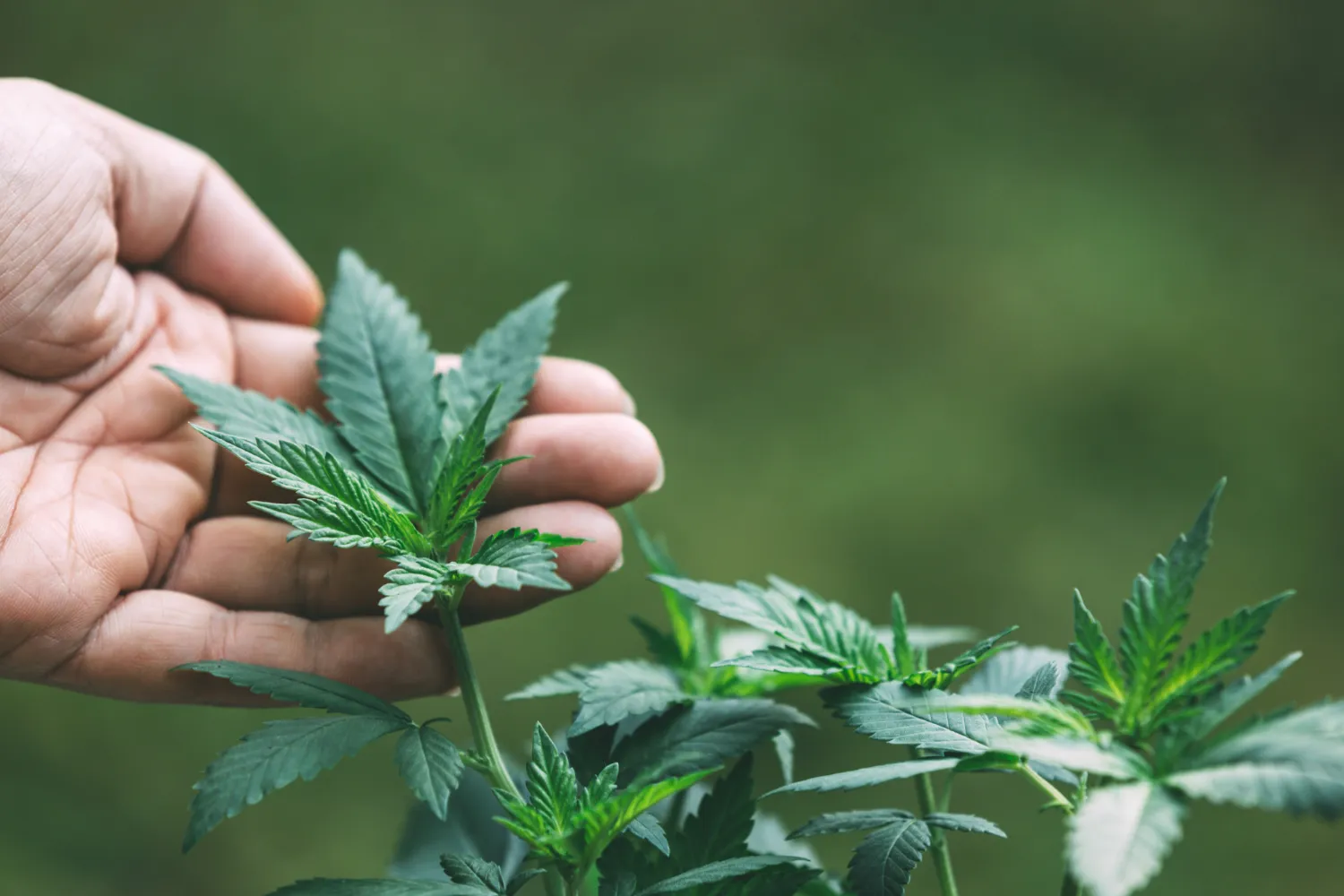
: A family of plants, originally from Asia, with psychoactive (hallucinogenic) properties. It is commonly referred to by names such as marijuana, pot and weed.
Cannabinoid: A class of over 100 compounds mainly found in Cannabis of which the most notable and the most abundant are those giving cannabis its popular properties: THC and CBD, which are found almost exclusively in the female plants.
THC (Tetrahydrocannabinol): Is the main psychoactive compound in Cannabis. Its main effects include euphoria, hunger, pain relief, cognitive and memory impairment, and anxiety.
CBD (Cannabidiol): Is the main non-psychoactive compound in Cannabis. Its main effects include providing pain and inflammation relief, reducing stress and anxiety, helps falling asleep and is used to treat some forms of epilepsy.
Terpenes: The main aroma element in Cannabis. Different strains contain different bouquet of terpenes conferring a unique flavor to each strain. Some experts claim these work together with CBD and THC to shape the overall experience.
Genetics: Traditional classifications divide cannabis into Sativa (animating, day use), Indica (sedating, night use), and Hybrid (a mixture of both Sativa and Indica). Research has shown that the type of plant s not a good predictor of the effect it will have. CBD and THC content and the ratio of these two is a better predictor.
Strains: There are thousands of different types of cannabis plants most of which have been bred by humans to increase the content of THC, CBD or to create new and interesting flavors.
Dronabinol and nabilone: The two main prescription-only synthetic cannabinoid medications that mimic the effects of THC. These are sold under different names and are taken orally in capsule or liquid form.
Hemp: Cannabis plants containing less than 0.3% of THC are classified as industrial hemp, whose fibers have been used in the production of rope, paper and textiles to name but a few.
Hash: Traditionally, the dried Cannabis flowers can be consumed in different ways, the most common being smoking. Hash instead focuses on collecting the resin which contains high concentrations of THC and then smoking this paste in a pipe.
Related articles
•
The medical and recreational cannabis situation in Germany
•
The impact of medical and recreational cannabis legalization in Germany
•
How to request medical cannabis coverage from your health insurance in Germany